
Why we love wordless books
A book without words can feel a little unfamiliar at first. Where do you begin? Are you telling the story correctly? And does it still count as reading?
The answer to that last question is a definite yes.
Wordless books tell their stories entirely through pictures, inviting children to notice what is happening, interpret expressions and create the words for themselves. There is no single correct version of the story, so every reading can be slightly different.
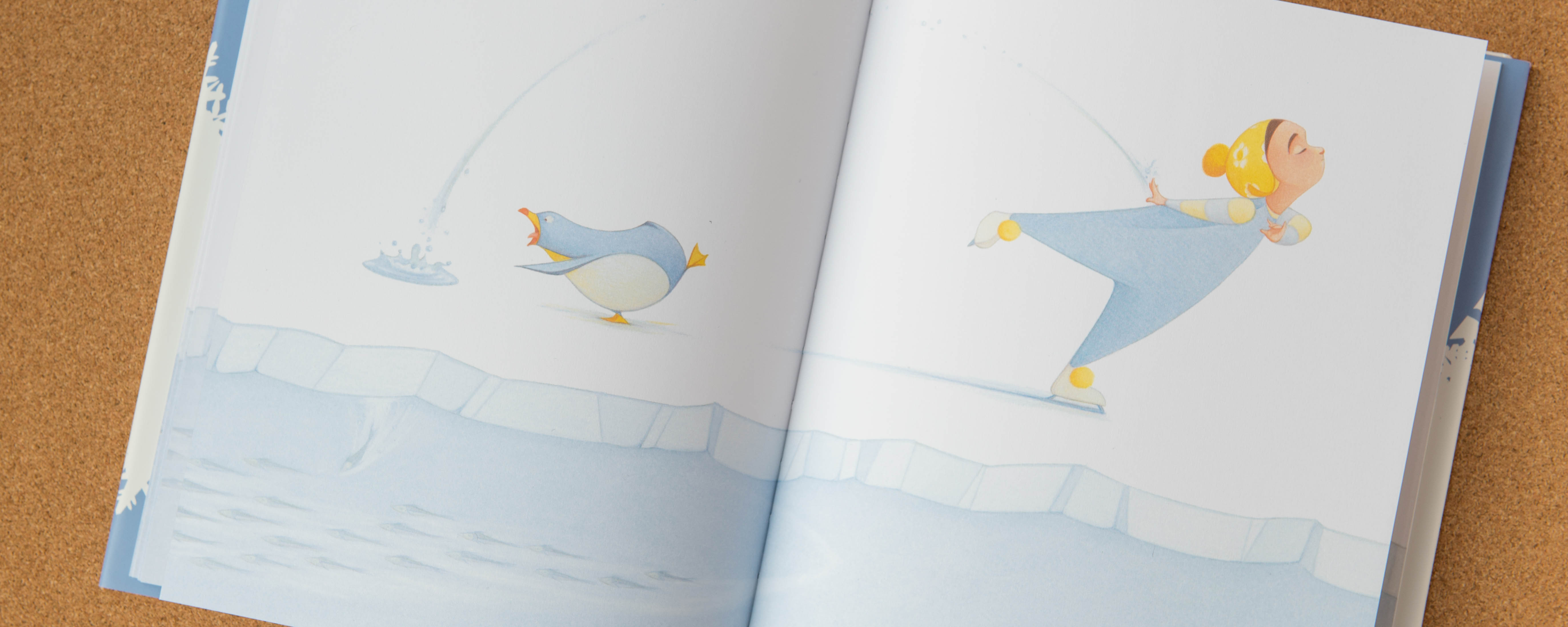
Why are wordless books so useful?
Wordless books give children the freedom to lead. They can describe what they see, imagine what a character might be thinking and decide what could happen next.
This can help children develop:
-
Confidence in telling their own stories
-
Vocabulary and spoken language
-
Observation and concentration
-
Imagination and creative thinking
-
An understanding of emotions and facial expressions
-
Sequencing and comprehension skills
They can be particularly helpful for children who are not yet reading independently, reluctant readers who feel anxious about getting words wrong, and children learning English as an additional language. Because there is no set text to decode, everyone can take part at their own level.
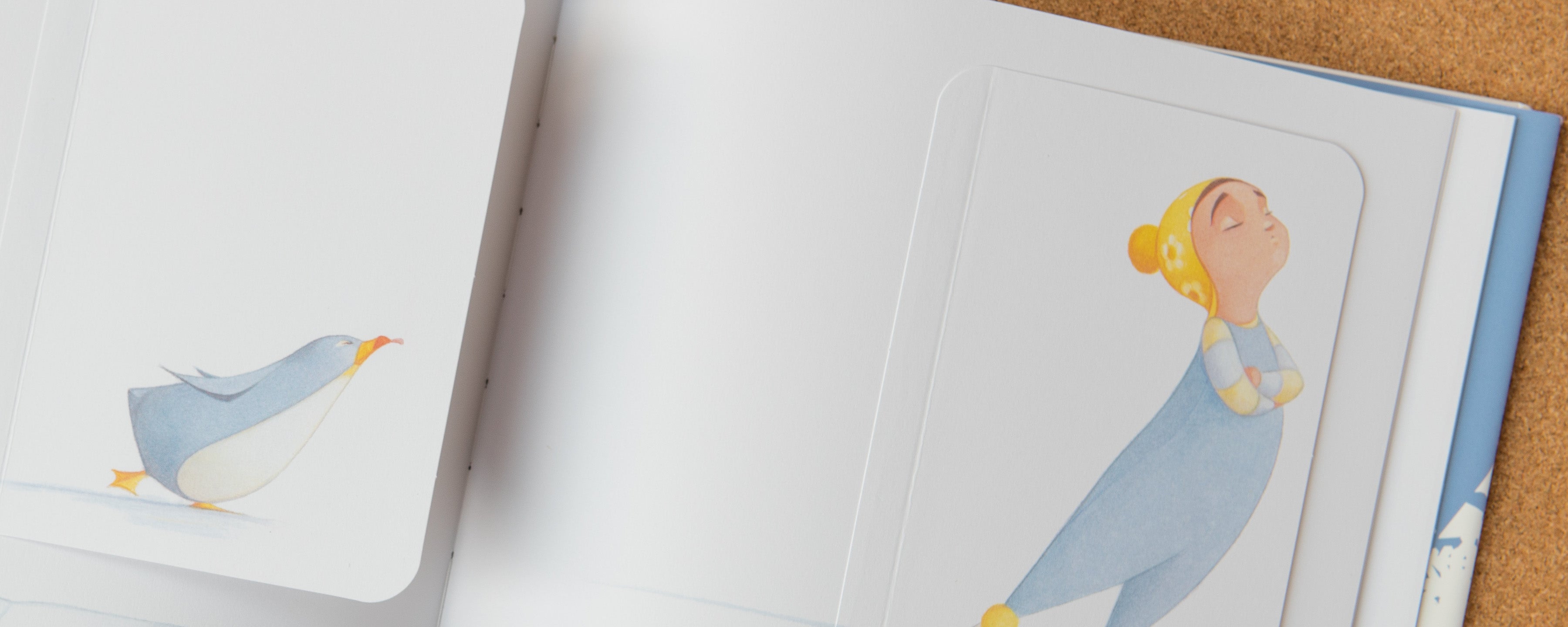
How to share a wordless book
Start by looking at the cover together and talking about what the story might be about. Then take your time over each page. There is no need to rush or fill every silence.
Try asking open questions such as:
-
What do you think is happening here?
-
How might that character be feeling?
-
What can you spot in the background?
-
What do you think will happen next?
-
Did you notice anything different this time?
Let the child take the story in an unexpected direction—even if it bears very little resemblance to the version you had imagined. That freedom is part of the fun.


Wordless books also reward repeated reading. Children often notice tiny details on a second or third visit and may create an entirely new story from the same illustrations.
At home, they offer a relaxed and playful way to share a book. In classrooms and libraries, they can encourage discussion, collaborative storytelling and participation from children with a wide range of reading abilities.
The absence of words doesn’t mean there is less to read. Sometimes the pictures give children even more to say.


